Category: White House

  • President Trump Address to the Nation — April 1, 2026

    President Trump Address to the Nation — April 1, 2026

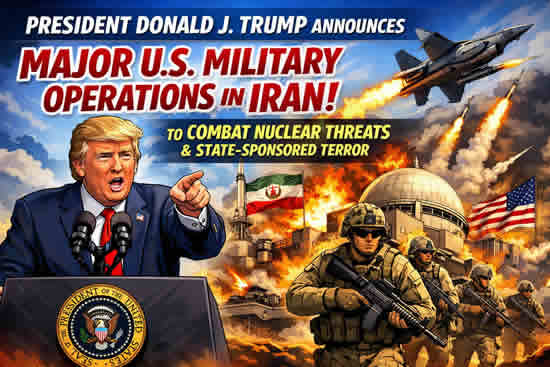
    In his April 1, 2026 address to the nation, Donald Trump outlined what he described as decisive and unprecedented military success in the U.S. operation against Iran. He claimed that within weeks, Iran’s navy, air force, missile capabilities, and defense infrastructure had been largely destroyed, portraying the campaign as essential to preventing Iran from acquiring nuclear weapons and safeguarding both American and global security. Trump framed Iran as a long-standing sponsor of terrorism and emphasized that military action became necessary after failed diplomatic efforts.

    The president also connected the conflict to broader economic and energy policy, highlighting U.S. independence from Middle Eastern oil and a strong domestic economy capable of absorbing short-term disruptions. He warned that further escalation remains possible if no agreement is reached, including potential strikes on Iran’s energy infrastructure, while noting that regime change was not an official objective. Trump concluded by stating that the operation is nearing completion and will ultimately leave the United States stronger, safer, and more secure.

    Thank you very much, my fellow Americans. Good evening.

    Let me begin by congratulating the team at NASA and our brave astronauts on the successful launch of Artemis II. It was quite something. It will be traveling further than any manned rocket has ever flown. It will very substantially pass the Moon, go around it, and come back home from a distance that has never been done before. It’s amazing. They are on the way. And God bless them. These are brave people. We want to God bless those four unbelievable astronauts.

    As we speak this evening, it’s been just one month since the United States military began Operation Epic Fury targeting the world’s number one state sponsor of terror, Iran.

    In these past four weeks, our armed forces have delivered swift, decisive, overwhelming victories on the battlefield — victories like few people have ever seen before.

    Tonight, Iran’s navy is gone. Their air force is in ruins. Their leaders — most of them — the terrorist regime they led are now dead. Their command and control of the Islamic Revolutionary Guard Corps is being decimated as we speak. Their ability to launch missiles and drones is dramatically curtailed, and their weapons factories and rocket launchers are being blown to pieces. Very few of them left.

    Never in the history of warfare has an enemy suffered such clear and devastating large-scale losses in a matter of weeks.

    Our enemies are losing, and America — as it has been for five years under my presidency — is winning. And now winning bigger than ever before.

    Before discussing this current situation, I also want to thank our troops for the masterful job they did in taking the country of Venezuela in a matter of minutes. It was quick, lethal, violent, and respected by everyone all over the world.

    After rebuilding our military during my first term, we have by far the strongest military anywhere in the world. And now we’re working along with Venezuela. We are, in a true sense, joint venture partners. We’re getting along incredibly well in the production and sale of massive amounts of oil and gas — the second largest reserves on Earth after the United States of America.

    We’re now totally independent of the Middle East, and yet we are there to help. We don’t have to be there. We don’t need their oil. We don’t need anything they have. But we’re there to help our allies.

    Tonight, I want to provide an update on the tremendous progress our warriors have made in Iran and discuss why Operation Epic Fury is necessary for the safety of America and the security of the free world.
    From the very first day I announced my campaign for president in 2015, I have vowed that I would never allow Iran to have a nuclear weapon.

    This fanatical regime has been chanting “death to America,” “death to Israel” for 47 years. Their proxies were behind the murder of 241 Americans in the Marine barracks bombing in Beirut, the slaughter of hundreds of our service members with roadside bombs. They were involved in the attack on the USS Cole, and they carried out countless other heinous acts, including the horrible atrocities of October 7th in Israel — something that most people have never seen anything like it.

    This murderous regime also recently killed 45,000 of their own people who were protesting in Iran. Forty-five thousand dead.

    For these terrorists to have nuclear weapons would be an intolerable threat. The most violent and thuggish regime on Earth would be free to carry out their campaigns of terror, coercion, conquest, and mass murder from behind a nuclear shield.

    I will never let that happen — and neither should any of our past presidents.

    This situation has been going on for 47 years and should have been handled long before I arrived in office.

    I did many things during my two terms in office to stop the quest for nuclear weapons by Iran.

    First, and perhaps most importantly, I killed General Qassem Soleimani in my first term. He was an evil genius — a brilliant person, but a horrible human being. The father of the roadside bomb. What he did was just horrible.

    Iran would have been perhaps in a far better, stronger position if he lived. We would have had probably a different conversation tonight. But you know what? We’d still be winning — and winning big.

    And then, very importantly, I terminated Barack Obama’s Iran nuclear deal — a disaster. Obama gave them $1.7 billion in cash — green cash. Took it out of banks in Virginia, DC, and Maryland. All the cash they had, flew it by airplane in an attempt to buy their respect and loyalty. But it didn’t work.

    They laughed at our president and went on with their mission to have a nuclear bomb.

    His Iran deal would have led to a colossal arsenal of massive nuclear weapons for Iran. They would have had them years ago — and they would have used them.

    It would have been a different world. There would have been no Middle East and no Israel right now, in my opinion — and in the opinion of a lot of great experts — had I not terminated that terrible deal.

    And I was honored to do it. I was proud to do it. It was so bad from the beginning.

    Essentially, I did what no other president was willing to do. They made mistakes — and I am correcting them.

    My first preference was always the path of diplomacy. Yet the regime continued their relentless quest for nuclear weapons and rejected every attempt at an agreement.

    For this reason, in June, I ordered a strike on Iran’s key nuclear facilities — Operation Midnight Hammer. Nobody’s ever seen anything like it. Those beautiful B-2 bombers performed magnificently. We totally obliterated those nuclear sites.

    The regime then sought to rebuild their nuclear program at a totally different location, making clear they had no intention of abandoning their pursuit of nuclear weapons.

    They were also rapidly building a vast stockpile of conventional ballistic missiles and would soon have had missiles that could reach the American homeland, Europe, and virtually any other place on Earth.

    Iran’s strategy was so obvious. They wanted to produce as many missiles as possible, and they did — with the longest range possible. And they had some weapons that nobody believed they had. We just learned that out. We took them out. We took them all out so that no one would really dare stop them.

    And their race for a nuclear weapon — a nuclear weapon like nobody’s ever seen before — they were right at the doorstep.

    For years, everyone has said that Iran cannot have nuclear weapons. But in the end, those are just words if you’re not willing to take action when the time comes.

    As I stated in my announcement of Operation Epic Fury, our objectives are very simple and clear.

    We are systematically dismantling the regime’s ability to threaten America or project power outside of their borders.

    That means eliminating Iran’s navy — which is now absolutely destroyed — hurting their air force and their missile program at levels never seen before, and annihilating their defense industrial base.

    We’ve done all of it.

    Their navy is gone. Their air force is gone. Their missiles are just about used up or beaten.

    Taken together, these actions will crush Iran’s military, destroy their ability to support terrorist proxies, and deny them the ability to build a nuclear bomb.

    Our armed forces have been extraordinary. There’s never been anything like it militarily. Everyone is talking about it.

    And tonight, I’m pleased to say that these core strategic objectives are nearing completion

    As we celebrate this progress, we think especially of the 13 American warriors who have laid down their lives in this fight to prevent our children from ever having to face a nuclear Iran.

    Twice this past month, I have traveled to Dover Air Force Base. And it’s been something. I wanted to be with those heroes as they returned to American soil. And I was with them — and their families, their parents, their wives, their husbands.

    We salute them. And now we must honor them by completing the mission for which they gave their lives.

    And every single one of their loved ones said, “Please, sir, please finish the job.” Every one of them.

    And we are going to finish the job. And we’re going to finish it very fast. We’re getting very close.

    I want to thank our allies in the Middle East — Israel, Saudi Arabia, Qatar, the UAE, Kuwait, and Bahrain. They’ve been great, and we will not let them get hurt or fail in any way, shape, or form.

    Many Americans have been concerned to see the recent rise in gasoline prices here at home.

    This short-term increase has been entirely the result of the Iranian regime launching deranged terror attacks against commercial oil tankers and neighboring countries that have nothing to do with the conflict.

    This is yet more proof that Iran can never be trusted with nuclear weapons. They will use them, and they will use them quickly.

    It would lead to decades of extortion, economic pain, and instability worse than we can ever imagine.

    The United States has never been better prepared economically to confront this threat.

    You all know that. We built the strongest economy in history. We’re going through it right now — the strongest in history.

    In one year, we’ve taken a dead and crippled country — I hate to say that, but we were a dead and crippled country after the last administration — and made it the hottest country anywhere in the world by far.

    With no inflation, record-setting investments coming into the United States — over $18 trillion — and the highest stock market ever, with 53 all-time record highs in just one year.

    It all positioned us to get rid of a cancer that has long simmered. It’s known as nuclear Iran. And they didn’t know what was coming. They never imagined it.

    Remember, because of our “drill, baby, drill” program, America has plenty of gas. We have so much gas.

    Under my leadership, we are the number one producer of oil and gas on the planet — without even discussing the millions of barrels that we’re getting from Venezuela.

    Because of the Trump administration’s policies, we produce more oil and gas than Saudi Arabia and Russia combined.

    Think of that — Saudi Arabia and Russia combined. And that number will soon be substantially higher than that.

    There’s no country like us anywhere in the world. And we’re in great shape for the future.

    The United States imports almost no oil through the Strait of Hormuz and won’t be taking any in the future.

    We don’t need it. We haven’t needed it, and we don’t need it.

    We’ve beaten and completely decimated Iran. They are decimated — both militarily and economically and every other way.

    And the countries of the world that do receive oil through the Strait of Hormuz must take care of that passage. They must cherish it. They must grab it and cherish it.

    They can do it easily. We will be helpful, but they should take the lead in protecting the oil that they so desperately depend on.

    So to those countries that can’t get fuel — many of which refuse to get involved in the decapitation of Iran — we had to do it ourselves.

    I have a suggestion:

    Number one, buy oil from the United States of America. We have plenty — we have so much.

    And number two, build up some delayed courage. Should have done it before. Should have done it with us as we asked.

    Go to the Strait and just take it. Protect it. Use it for yourselves.

    Iran has been essentially decimated. The hard part is done. So it should be easy.

    And in any event, when this conflict is over, the Strait will open up naturally.

    It will just open up naturally. They’re going to want to be able to sell oil — because that’s all they have to try and rebuild.

    It will resume flowing, and gas prices will rapidly come back down. Stock prices will rapidly go back up.

    They haven’t come down very much — frankly, they came down a little — but they’ve had some very good days over the last couple of days.

    We’ve actually done much better than I thought.

    But we had to take that little journey to Iran to get rid of this horrible threat.
    With our historic tax cuts — where people are just now talking about receiving larger refunds than they ever thought possible — they are getting so much more money than they thought. That’s from the great, big, beautiful bill.

    Our economy is strong and improving by the day, and it will soon be roaring back like never before — or it will top the levels that it was a month ago.

    I’ve made clear from the beginning of Operation Epic Fury that we will continue until our objectives are fully achieved.

    Thanks to the progress we’ve made, I can say tonight that we are on track to complete all of America’s military objectives shortly. Very shortly.

    We are going to hit them extremely hard over the next two to three weeks.

    We’re going to bring them back to the Stone Age — where they belong.

    In the meantime, discussions are ongoing.

    Regime change was not our goal. We never said regime change. But regime change has occurred because of all of their original leaders’ deaths. They’re all dead.

    The new group is less radical and much more reasonable.

    Yet, if during this period of time no deal is made, we have our eyes on key targets.

    If there is no deal, we are going to hit each and every one of their electric generating plants very hard — and probably simultaneously.

    We have not hit their oil — even though that’s the easiest target of all — because it would not give them even a small chance of survival or rebuilding.

    But we could hit it, and it would be gone — and there’s not a thing they could do about it.

    They have no anti-aircraft equipment. Their radar is 100% annihilated.

    We are unstoppable as a military force.

    The nuclear sites that we obliterated with the B-2 bombers have been hit so hard that it would take months to get near the nuclear dust.

    And we have it under intense satellite surveillance and control.

    If we see them make a move — even a move for it — we’ll hit them with missiles very hard.

    Again — we have all the cards. They have none.

    It’s very important that we keep this conflict in perspective.

    American involvement in World War I lasted one year, seven months, and five days.

    World War II lasted for three years, eight months, and twenty-five days.

    The Korean War lasted for three years, one month, and two days.

    The Vietnam War lasted for nineteen years, five months, and twenty-nine days.

    Iraq went on for eight years, eight months, and twenty-eight days.

    We are in this military operation — so powerful, so brilliant — against one of the most powerful countries for 32 days, and the country has been eviscerated and essentially is really no longer a threat.

    They were the bully of the Middle East — but they’re the bully no longer.

    This is a true investment in your children and your grandchildren’s future.

    The whole world is watching — and they can’t believe the power, strength, and brilliance. They just can’t believe what they’re seeing.

    Tonight, every American can look forward to a day when we are finally free from the wickedness of Iranian aggression and the specter of nuclear blackmail.

    Because of the actions we have taken, we are on the cusp of ending Iran’s sinister threat to America and the world.

    And I’ll tell you — the world is watching.

    And when it’s all over, the United States will be safer, stronger, more prosperous, and greater than it has ever been before.

    May God bless the men and women of the United States Armed Forces.

    And may God bless the United States of America.

    Thank you very much, and good night.

    Sources: The White House
    Midtown Tribune Independent USA news from New York

  • White House. New Executive Order Targets Election Integrity with Citizenship Verification and Mail Ballot Controls (Video)

    White House. New Executive Order Targets Election Integrity with Citizenship Verification and Mail Ballot Controls (Video)


    The White House has issued a new executive order focused on election integrity, mandating enhanced citizenship verification systems and new standards for mail-in ballots, including tracking identifiers. Federal agencies will coordinate with states, while enforcement efforts against election violations are set to increase ahead of future federal elections.

    Presidential Actions

    ENSURING CITIZENSHIP VERIFICATION AND INTEGRITY IN FEDERAL ELECTIONS

    By the authority vested in me as President by the Constitution and the laws of the United States of America, including the Help America Vote Act of 2002 (52 U.S.C. 20901 et seq.), the National Voter Registration Act of 1993 (52 U.S.C. 20501 et seq.), and the Federal Government’s constitutional obligation to guarantee a republican form of Government to every State in the Union, U.S. Const. Art. IV, Sec. 4, it is hereby ordered:

    Section 1.  Purpose and Policy.  The right to vote in Federal elections is reserved exclusively for citizens of the United States under the Constitution and Federal law.  Federal statutes explicitly prohibit non-citizens from registering to vote or voting in Federal elections and impose criminal penalties for violations.  (18 U.S.C. 241; 18 U.S.C. 611; 18 U.S.C. 1015; and 52 U.S.C. 20511).  The Social Security Administration (SSA) maintains records that, in conjunction with the Department of Homeland Security’s (DHS) Systematic Alien Verification for Entitlements (SAVE) program under 42 U.S.C. 1320b-7, can assist in verifying identity and Federal election voter eligibility.  

    The Federal Government has an unavoidable duty under Article II of the Constitution of the United States to enforce Federal law, which includes preventing violations of Federal criminal law and maintaining public confidence in election outcomes.  To enhance election integrity via the United States Mail, additional measures are necessary.  Secure ballot envelope identifiers provide a reliable, auditable mechanism to enforce Federal law without unduly burdening or infringing on the rights of eligible voters.  Unique ballot envelope identifiers, such as bar codes, enable confirmation that only citizens receive and cast ballots, reducing the risk of fraud and protecting the integrity of Federal elections.  

    Sec. 2.  Establishment and Transmission of State Citizenship Lists and Prioritization of Investigations and Prosecutions Related to Election Fraud.  (a)  To the extent feasible and consistent with applicable law, including but not limited to the Privacy Act of 1974 (5 U.S.C. 552a), the Secretary of Homeland Security, through the Director of United States Citizenship and Immigration Services and in coordination with the Commissioner of SSA, shall take appropriate action to compile and transmit to the chief election official of each State a list of individuals confirmed to be United States citizens who will be above the age of 18 at the time of an upcoming Federal election and who maintain a residence in the subject State (State Citizenship List).  The State Citizenship List shall be derived from Federal citizenship and naturalization records, SSA records, SAVE data, and other relevant Federal databases.  The State Citizenship List shall be updated and transmitted to State election officials no fewer than 60 days before each regularly scheduled Federal election, or promptly upon request by a State in connection with any special Federal election.  The Secretary of Homeland Security shall establish procedures to (i) allow individuals to access their individual records as well as to update or correct them in advance of elections; and (ii) enable States to routinely supplement and provide suggested modifications or amendments to the State Citizenship List transmitted thereto.  An individual’s identification on the State Citizenship List does not indicate that the individual has been properly registered to vote in the State.  State and Federal laws and State procedures must still be followed for an individual to be registered to vote.  There may be State laws, not reflected in the State Citizenship List, that preclude voter registration, or the individual may choose not to be registered.

    (b)  For purposes of this order, an individual is “eligible to vote in a Federal election” if the individual is a citizen of the United States, 18 years of age or older by the date of the upcoming election, and otherwise qualified under the laws of his or her State.  The Attorney General shall prioritize the investigation and, as appropriate, the prosecution of State and local officials or any others involved in the administration of Federal elections who issue Federal ballots to individuals not eligible to vote in a Federal election, including under 18 U.S.C. 2(a), 18 U.S.C. 241, 18 U.S.C. 371, 18 U.S.C. 611(a), 18 U.S.C. 1001, 18 U.S.C. 1015, 52 U.S.C. 10307, and 52 U.S.C. 20511.  Similarly, the Attorney General shall prioritize the investigation and, as appropriate, the prosecution of individuals and public or private entities engaged in, or aiding and abetting, the printing, production, shipment, or distribution of ballots to individuals who are not eligible to vote in a Federal election. 

    Sec. 3.  United States Postal Service Rulemaking on Mail-In and Absentee Ballots.  (a)  The unlawful use of the mail in connection with elections is prohibited by various Federal statutes, including 18 U.S.C. 1341, 18 U.S.C. 1708, 52 U.S.C. 10307, and 52 U.S.C. 20511.  

    (b)  To ensure the faithful execution of Federal law, protect the integrity of the mail as a medium for transmitting Federal election ballots and establish uniform standards for mail-in or absentee ballot services implemented through the United States Postal Service (USPS), the Postmaster General is hereby directed to initiate a proposed rulemaking pursuant to 39 U.S.C. 401 and other applicable authority within 60 days of the date of this order.  The notice of proposed rulemaking shall include, at minimum, the following:

    (i)    Proposed provisions specifying that all outbound ballot mail must be mailed in an envelope that:

    (A)  is marked as Official Election Mail, including through designated markings provided by USPS for this purpose, such as the Official Election Mail logo, as necessary and appropriate;

    (B)  is automation-compatible and bears a unique Intelligent Mail barcode, or successor USPS technology, that facilitates tracking and is consistent with the other requirements of this section; and

    (C)  has undergone a mail envelope design review by the USPS to ensure compliance with USPS mailing standards, including barcode placement.

    (ii)   Proposed provisions specifying that, no fewer than 90 days prior to a Federal election, any State may choose to notify the USPS if it intends to allow for mail-in or absentee ballots to be transmitted by the USPS.  As part of that notification, any notifying State should further indicate whether it intends to submit to the USPS, no fewer than 60 days before the election, a list of voters eligible to vote in a Federal election in such State to whom the State intends to provide a mail-in or absentee ballot to be transmitted via the USPS. 

    (iii)  Proposed provisions specifying that the USPS shall not transmit mail-in or absentee ballots from any individual unless those individuals have been enrolled on a State-specific list described in subsection (b)(iv) of this section with the USPS pursuant to this subsection.

    (iv)   Proposed provisions specifying that the USPS shall provide each State with a list of individuals (Mail-In and Absentee Participation List) who are enrolled with the USPS, pursuant to a process specified in the rulemaking directed by this subsection, for mail-in or absentee ballots provided by such State, along with unique ballot envelope identifiers, such as bar codes, for mail-in or absentee ballots provided to such individuals.  The preparation and transmission of each State-specific Mail-In and Absentee Participation List shall comply with the Privacy Act and all applicable use agreements. 

    (v)    Proposed procedures enabling each State to routinely supplement and provide suggested modifications or amendments to the State’s Mail-In and Absentee Participation List in advance of any Federal election, consistent with applicable State law. 

    (c)  The USPS shall coordinate with the USPS Office of Inspector General and the Department of Justice for investigation of suspected unlawful use of the mail involving Federal election materials. 

    (d)  Any final rule pursuant to this section shall be issued no later than 120 days from the date of this order.

    Sec. 4.  Implementation.  (a)  The Secretary of Homeland Security, the Commissioner of SSA, and the Postmaster General shall coordinate with the Secretary of Commerce in effectuating all relevant aspects of the implementation of this order.

    (b)  The Attorney General shall enforce compliance with the applicable Federal statutes referenced herein and provide guidance to election officials, including any instrumentalities thereof; contractors; individuals involved in the administration of Federal elections; or public or private entities engaged in the printing, production, shipment, or distribution of ballots.

    (c)  The Secretary of Homeland Security shall, within 90 days of the date of this order, establish the infrastructure necessary to compile, maintain, and transmit the State Citizenship List described in section 2(a) of this order, and shall designate a point of contact within DHS to receive and process requests from individuals and State election officials regarding the relevant State Citizenship List.  The Commissioner of SSA shall provide all necessary citizenship and identity data to the Secretary of Homeland Security in support of this requirement, consistent with applicable law, the Privacy Act, and all applicable use agreements.

    Sec. 5.  Enforcement.  The Attorney General and the heads of executive departments and agencies (agencies) with relevant authority shall take all lawful steps to deter and address noncompliance with Federal law, including withholding Federal funds from noncompliant States and localities where such withholding is authorized by law.  Evidence of violations of existing Federal laws by State or local election officials; States or localities, including any instrumentalities thereof; contractors; individuals involved in the administration of Federal elections; or public or private entities engaged in the printing, production, shipment, or distribution of ballots may be referred to the Department of Justice for consideration of investigation or charges under 18 U.S.C. 2(a), 18 U.S.C. 241, 18 U.S.C. 371, 18 U.S.C. 611(a), 18 U.S.C. 1001, 18 U.S.C. 1015, 52 U.S.C. 10307, and 52 U.S.C. 20511.  States and localities should preserve, for a 5-year period, all records and materials — excluding ballots cast — evidencing voter participation in any Federal election (e.g., ballot envelopes, regardless of carrier).

    Sec. 6.  Severability.  If any provision of this order, or the application of any provision to any agency, person, or circumstance, is held to be invalid, the remainder of this order and the application of its provisions to any other agencies, persons, or circumstances shall not be affected thereby.

    Sec. 7.  General Provisions.  (a)  Nothing in this order shall be construed to impair or otherwise affect:

    (i)  the authority granted by law to an executive department or agency, or the head thereof; or

    (ii)  the functions of the Director of the Office of Management and Budget relating to budgetary, administrative, or legislative proposals.

    (b)  This order shall be implemented consistent with applicable law and subject to the availability of appropriations.

    (c)  This order is not intended to, and does not, create any right or benefit, substantive or procedural, enforceable at law or in equity by any party against the United States, its departments, agencies, or entities, its officers, employees, or agents, or any other person.

                                 DONALD J. TRUMP

    THE WHITE HOUSE,

        March 31, 2026.

    Sources: White House , Midtown Tribune

    Midtown Tribune Independent USA news from New York

  • President Trump Gaggles with Press on Air Force One En Route Joint Base Andrews, ( Video  March  29, 2026 )

    President Trump Gaggles with Press on Air Force One En Route Joint Base Andrews, ( Video March 29, 2026 )

    Donald Trump claimed U.S. strikes wiped out Iran’s navy, air force, and key missile systems, leaving the regime in collapse. He said Washington is now dealing with a “new group” of leaders ready to negotiate — and even sending oil shipments as a sign of submission. A deal may be near, but Trump warned: force remains on the table.

    readable transcript:

    President Trump:

    Hello everybody.

    We had very good negotiations today with Iran. We’re getting a lot of the things they should have given us a long time ago. We’ll see how it works out, but things are moving very nicely.

    We’ve destroyed many additional targets today — it was a big day. Their navy is gone, their air force is gone, and most of their capabilities have been eliminated.

    At the same time, we are negotiating — both directly and indirectly. We have emissaries, but we are also dealing directly.

    Iran recently agreed to send shipments of oil — first 10 large shipments, and now an additional 20. These are moving through the Strait of Hormuz starting tomorrow. I view that as a sign of respect.

    We’re doing very well in negotiations — but with Iran, you never know. We negotiate, and sometimes we still have to act militarily.

    I terminated the Iran nuclear deal made under President Obama — one of the worst deals we’ve ever made. Otherwise, Iran would already have nuclear weapons. We acted decisively with B-2 bombers and stopped that program.

    Now we may make a deal — I think we probably will — but it’s also possible we won’t.


    On “regime change” in Iran

    What we’re seeing is effectively regime change.

    The original leadership — gone.
    The second group — mostly gone.
    Now we’re dealing with a third group — completely different people, and they seem much more reasonable.

    So while regime change wasn’t the goal, we effectively have it.


    On the White House ballroom project

    I also want to show something important.

    For over 150 years, presidents have wanted to build a proper ballroom at the White House. Right now, we don’t have adequate space to host major world leaders.

    We are building a new ballroom — same height as the White House, architecturally matched. It will be one of the finest ballrooms in the world.

    It will include:

    • Bulletproof glass
    • Drone-proof roofing
    • Security infrastructure

    And importantly: no taxpayer money is being used. It’s fully funded by me and private donors.

    The military is also constructing a secure complex underneath it.

    We’re ahead of schedule and under budget.


    Military situation

    We are weeks ahead of where anyone expected us to be.

    If you had said just days ago that we would:

    • eliminate their navy
    • destroy their air force
    • take out most missile systems

    — nobody would have believed it.

    Missile attacks are still happening, but they are significantly reduced.


    On negotiations

    We presented Iran with a 15-point plan.

    They’ve agreed to most of it — and even sent oil shipments as a gesture. Negotiations are ongoing, both direct and indirect.


    U.S. politics — Senate & Democrats

    The Senate should end the filibuster and vote.

    Republicans are strong, but Democrats are acting irresponsibly. We need to:

    • secure the border
    • remove criminals
    • enforce law and order

    We now have a closed border and are deporting violent offenders.


    On immigration enforcement (ICE)

    ICE is essential.

    They are:

    • removing criminals
    • dealing with violent offenders
    • protecting Americans

    We cannot have a country if we allow unchecked entry of dangerous individuals.


    On elections

    We need:

    • voter ID
    • proof of citizenship
    • limits on mail-in voting

    Mail-in ballots are inherently unreliable, except for special cases (military, sick, disabled, travelers).

    This is supported by the majority of voters.


    On Cuba

    Cuba is failing and will likely collapse soon.

    We will help — especially Cuban Americans whose families suffered under the Castro regime.

    Allowing oil shipments into Cuba (even from Russia) is acceptable — people need energy to survive.


    On Middle East

    Gulf countries (Saudi Arabia, Qatar, UAE, Kuwait, Bahrain) are fighting back strongly.

    We maintain strong communication with them.

    If necessary, we can act very quickly to control key strategic areas.


    Closing

    Iran is in a weakened position.

    They will either:

    • give up nuclear ambitions
    • or risk losing everything

    We are in a strong position, and the situation is moving in our favor.

    Thank you.

    Mar 29, 2026Air Force One

    Sources: White House official video , Mistown Tribune

    Midtown Tribune Independent USA news from New York

  • White House: They Fought. They Were Forgotten. Now America Honors Vietnam Veterans Again

    White House: They Fought. They Were Forgotten. Now America Honors Vietnam Veterans Again

    :
    Decades after returning home without recognition, Vietnam War veterans are finally receiving the honor they deserve. The White House marks March 29 as a permanent day of remembrance while pointing to major reforms in veteran care, including faster benefits processing, new clinics, and expanded support for aging and homeless veterans.

    Presidential Message on National Vietnam War Veterans Day

    Beginning in 1965, millions of American heroes courageously departed their homeland and arrived in the jungles of Vietnam to halt the spread of communism and defend the cause of freedom against forces of evil and oppression.  On March 29, 1973, after 8 years of excruciating battle, the last United States military forces withdrew, and our final prisoners of war were released—solidifying their place in history as gallant warriors for liberty and guardians against tyranny.  This National Vietnam War Veterans Day, we solemnly honor these patriots for their extraordinary courage, steadfast resilience, and unbreakable bond of brotherhood while enduring one of the most gruesome combat experiences in American history.

    For the better part of a decade, our warriors endured suffocating heat, relentless monsoon rains, treacherous terrains, and the merciless brutality of guerilla warfare.  After 8 years of battle, 58,000 American service members had been killed, and more than 300,000 were wounded—making the Vietnam War one of the deadliest engagements that our military has ever seen.

    After valiantly serving through such brutal combat, many Vietnam veterans returned home without the welcome and gratitude that they so rightly deserved and had earned.  Today, we pledge that their service—and the service of every veteran—will never be forgotten or diminished.  As President, I will always ensure that our veterans have the respect and support our country owes them.  During my first term in office, I proudly signed the Vietnam War Veterans Recognition Act to designate March 29 of each year as National Vietnam War Veterans Day—enshrining a permanent, annual day of remembrance for the brave souls who fought in Vietnam.

    Since returning to office last year, I have worked tirelessly to empower and uplift our veterans. My Administration has secured historic tax relief for senior citizens, including many of our eldest veterans.  We are expanding access to care, opening more than 30 new veteran health clinics to date across the country.  We are constructing the National Center for Warrior Independence, which will house up to 6,000 homeless veterans by 2028.  Meanwhile, under my leadership, the Department of Veteran Affairs (VA)’s backlog of veterans waiting for benefits has dropped more than 60 percent since last year.  The VA is processing record numbers of disability claims.  And earlier this month, the VA announced the Claim Assist Portal, a new and easier way for veterans to respond to VA claim requests—and the VA and Department of Justice signed an agreement to help our most vulnerable veterans get the care they need.

    Today, we stand united in gratitude for the courageous service and love of country exemplified by the patriots who fought in the Vietnam War.  As we celebrate 250 glorious years of American independence, we reaffirm our Nation’s sacred promise to always support and honor every hero who has fought in defense of our freedom, our home, and our way of life.  You will always have my unfailing loyalty and support.

    The White House

    March 29, 2026

    Sources: WhiteHouse.gov , Midtown Tribune

    Midtown Tribune Independent USA news from New York

  • White House. Melania Trump Launches Global Education and AI Initiative for Children (Video)

    Melania Trump welcomed representatives from around the world to Washington, D.C., saying they had gathered with a shared purpose: to empower the next generation through advances in technology and education.

    She greeted delegations from Albania, Aruba, Bosnia, Bolivia, Congo, Costa Rica, the Dominican Republic, Ecuador, Guatemala, Israel, Kenya, Kosovo, Malawi, North Macedonia, Paraguay, Poland, Serbia, Ukraine, and the UAE.

    Trump said that as leaders and as nations, they have an opportunity to build something meaningful together. She called on participants to accelerate a global alliance focused on improving the future of children.

    She then formally opened the inaugural meeting of Fostering the Future Together, describing its mission as empowering children by expanding access to technology and education.

    According to her, this is a historic moment. She said the initiative aims to help young people develop the skills they need to succeed in a rapidly changing world. That, she said, includes creating innovative learning programs, supporting education policy, sponsoring focused legislation, and building stronger partnerships between the public and private sectors.

    Trump emphasized that every nation represented has a vital role to play in creating opportunities for the next generation. She described the new collaborative platform as a way to multiply the impact of its members through cooperation in AI, education, and global leadership.

    She said the coalition’s shared vision puts children above politics and above geographical borders.

    Turning from vision to action, Trump invited participants to host regional meetings, conduct research, build new partnerships, and collaborate with other member nations in their parts of the world.

    She noted that Washington is a place where important things can happen, especially when the public and private sectors work together. She called the meeting unprecedented and praised major American companies for joining the effort.

    Trump said it was remarkable to see so many global leaders, innovators, and major technology companies gathered in one place over two days. She referenced AI pioneers and major firms including OpenAI, Google, Meta, Microsoft, and Zoom.

    She said the room was filled with extraordinary human capital — leaders capable of investing in children, empowering their people, and accelerating their economies.

    In closing, Trump said the coalition can improve the future only if it supports concrete initiatives that give young people the skills and knowledge they need. She called on everyone to invest in education and technology, wished the participants success during the summit, and said the two-day gathering was only the beginning.

    The Fostering the Future Together Global Coalition Summit has two components for invited guests, including a working session at the U.S. State Department on the first day, followed by a roundtable with First Spouses at the White House on the second day.

    Working Session | March 24, 2026

    SOURCES: WHITE HOUSE VIDEO , MIDTOWN TRIBUNE NEWS

    \

    Midtown Tribune Independent USA news from New York

  • Trump Unveils Anti-Fraud Task Force, Blasts Democrats, Iran, and Election Rules (Video)

    Trump Unveils Anti-Fraud Task Force, Blasts Democrats, Iran, and Election Rules (Video)

    White House. President Trump and Vice President JD Vance Participate in Signing Time, Mar. 16, 2026

    This video features President Donald Trump and Vice President JD Vance announcing a major executive order aimed at rooting out fraud within federally funded programs (0:04). The administration estimates that billions to hundreds of billions of dollars are being lost to fraudulent activity, particularly mentioning issues in Minnesota and California (0:46).Key Highlights of the Initiative:

    • Task Force Creation: An executive order establishes a new task force chaired by Vice President JD Vance, with Andrew Ferguson (FTC) serving as vice chairman (0:41 – 0:58).
    • Whole-of-Government Approach: The initiative forces different federal agencies, such as the Treasury and Health and Human Services, to share data to detect financial and Medicaid fraud (7:46).
    • Combating Fraud in Minnesota: Specific attention is paid to fraud involving Medicaid programs meant for autistic children in Minneapolis (6:41).
    • Targeting Illegal Immigration: The administration connects widespread fraud to illegal immigrants receiving benefits like Medicaid and free hospital care (4:12 – 5:07).
    • Drug Price Reduction: President Trump highlights the success of his Most Favored Nations policy in significantly lowering prescription drug prices (9:14 – 10:10).Following the signing of the executive order, the President takes questions covering the war in Iran (21:01), the potential for future foreign policy actions in Cuba (48:24), and domestic issues like the Save America Act (39:28).

    Thank you very much, everybody. I appreciate it.

    This is a very big thing that we’re doing. It’s about fraud — all the fraud that’s taking place in our country. We have two people who are extremely brilliant and very talented, and they’re going to be put in charge.

    I’d like to ask Will to give a brief description of what we’re signing in this executive order, and then I’ll ask JD to speak.

    Will said that, as stated in the State of the Union address, in light of widespread revelations of fraud in federally funded programs in states like Minnesota and California, this executive order will establish a new task force aimed at rooting out that fraud and returning potentially billions, tens of billions, or even hundreds of billions of dollars to the American taxpayer.

    The task force will be chaired by the vice president. The vice chair will be FTC Chairman Andrew Ferguson. According to Will, this will launch a whole-of-government approach to deal with what he described as a very serious problem in federally funded programs around the country.

    Trump then said that in Minnesota alone there was $19 billion connected to one aspect of fraud, and that California was supposedly much worse. He said this is not a Republican or Democrat issue in theory, but claimed it appears to happen most heavily in blue states. He added that if it is happening in red states, his administration will go there too.

    He then moved into accusations involving Minnesota, Somalia, Governor Tim Walz, Congresswoman Ilhan Omar, and the state attorney general, saying he believed they were complicit and that investigators should look into it.

    Trump argued that if even half of the fraud taking place in the country were uncovered, the federal budget could be more than balanced. He described the theft as incredible and suggested the federal government should not be deeply involved in many domestic service areas such as nursing homes.

    He also complained about federal spending connected to illegal immigration, saying the federal government had been paying out money in ways it should not, and said, “We’re not paying them anymore.”

    Trump then joked that JD Vance would actually do the job and that this would not be like Kamala Harris being put in charge of the border and, in his telling, never really handling it. He then invited Stephen Miller to speak.

    Stephen Miller said that while the illegal flow across the southern border had been stopped under Trump, Democrats had set up a system that funneled hundreds of billions — and ultimately trillions — of dollars to migrants in the country, often mentioning Somalia. He gave an example involving illegal immigrants in detention who, he claimed, admitted they were receiving Medicaid or free hospital care billed to taxpayers.

    Miller said this was only one example of broader abuse and argued that, under Trump’s leadership and with JD Vance and Andrew Ferguson involved, this would be the first serious effort in American history to reclaim massive sums stolen from taxpayers. He claimed that stopping this theft could be enough to balance the budget and called it a primary cause of the national debt.

    Trump followed by saying this kind of cheating had been going on for years and had to stop. He made further harsh comments about Somalia, described it as one of the worst and most dangerous countries, and alleged that billions of dollars had been stolen by people coming from there. He also repeated allegations about Ilhan Omar, including the old claim that she married her brother, and said he hoped someone would investigate that too.

    JD Vance then spoke and described the executive order as a whole-of-government approach to tackle fraud. He told a story about supposed fraud in Minneapolis involving Somali immigrants and a Medicaid program meant for autistic children. He said children were being falsely labeled autistic so that benefits could be claimed, which in his telling enriched fraudsters while depriving American children of services they needed.

    Vance said the administration discovered that different federal agencies were not properly sharing fraud evidence with one another. He said the executive order would force the federal government to do two things: stop fraud against taxpayers and ensure benefits intended for American citizens actually go to them rather than to fraudsters.

    Andrew Ferguson then said millions of Americans pay into these programs and expect something in return, but fraud is siphoning money into fake businesses. He argued that it is unfair both to taxpayers and especially to vulnerable Americans who need those resources most. He also suggested the previous administration had been lax in enforcing anti-fraud controls.

    Trump interrupted to say the previous administration was not merely lax but fraudulent. He then shifted topics to prescription drug prices, describing his “Most Favored Nations” drug pricing policy and claiming it had taken the U.S. from having the highest prescription drug prices in the world to the lowest. He argued that while his administration worked hard to save money in this way, fraud was simultaneously draining public funds.

    He continued to say the fraud task force could be one of the most important initiatives his administration had launched. He repeated claims about exploding spending related to autism in Minnesota, suggesting the rise itself proved corruption.

    Trump then signed the order and said they would take questions from the media.

    When asked why previous leaders had not addressed systemic fraud, Trump responded that they were crooked, made money from it, and gained power from it. He alleged that Somali voters in Minnesota vote as a bloc in exchange for benefits and said officials in Minnesota and New York were corrupt.

    A reporter then asked JD Vance about critics calling them “the frauds” and about Vance’s position on the war in Iran. Vance dismissed the criticism, said the administration was actually tackling real problems, and stated that Trump had consistently held that Iran should not have a nuclear weapon. He said the administration had taken military action under Trump’s leadership and that Americans should pray for success and for the safety of U.S. troops.

    Trump then launched into an extended defense of military action against Iran. He said he does not want wars, but insisted Iran’s leadership is violent and vicious and would use a nuclear weapon if it obtained one. He argued that anyone who believes Iran should have a nuclear weapon is either naive, evil, or stupid.

    He claimed that if he had not destroyed Obama’s Iran nuclear deal and then later taken military action, Iran would already have used nuclear weapons in the Middle East. He praised U.S. military technology, especially B-2 bombers, and described the strikes as devastating and precise. He claimed Iran’s navy, air force, anti-aircraft systems, factories, drones, missiles, and leadership had been largely destroyed.

    Trump also said many foreign governments should be thanking the United States, especially countries that depend heavily on Middle Eastern oil routes. He criticized allies, especially within NATO and the UK, for not stepping up quickly enough to help, and complained that America spends enormous sums defending other countries without guaranteed support in return.

    He then described Iran as a sick regime with a dangerous ideology and religious fervor, and said the U.S. had done a great thing for the world by crippling it.

    Later in the press conference, Trump shifted back to domestic politics. He discussed what he called the “Save America Act,” saying it must pass the Senate. He argued that Democrats stick together politically even when their policies are bad, while Republicans often split apart. He then listed policies he said should be overwhelmingly popular: voter ID with a photo, proof of citizenship, and restrictions on mail-in ballots.

    He claimed that most Democrats also support voter ID and proof of citizenship, and said widespread mail voting is vulnerable to fraud because too many hands touch the ballots. He also added culture-war issues to the same legislative package, including banning transgender participation in women’s sports and ending what he called the mutilation of children through gender-related medical procedures.

    Trump then attacked California Governor Gavin Newsom, mocking him and making insulting remarks about his intelligence and past public comments.

    Toward the end, Trump was asked whether a ground force might be needed in Iran to secure nuclear material. He refused to answer, calling it a stupid question for any president to answer publicly. He also said a possible trip to Beijing might be delayed because of the war.

    Asked about Cuba, Trump said it is a failed nation with great people and beautiful land, and suggested that he might have the honor of “taking Cuba” in some form or freeing it, though he did not explain what that meant in practical terms.

    JD Vance was later asked whether halting Medicaid payments to Minnesota over fraud concerns could become a broader model. He said there were two clear tools: first, stop payments when fraud is identified; second, use law enforcement to prosecute criminal conduct. He said DOJ involvement was essential because much of the fraud, in his view, is criminal and intentional.

    The press conference ended with Trump taking a question about DHS funding. He blamed Democrats for refusing to provide funding and called them bad people who do not love the country. He then thanked everyone and ended the event.

    Sources: WH.gov , Midtown Tribune news

    Midtown Tribune Independent USA news from New York

  • White House. Press Secretary Karoline Leavitt Briefs Members of the Media, Mar. 10, 2026

    White House. Press Secretary Karoline Leavitt Briefs Members of the Media, Mar. 10, 2026

    White House Says Trump’s Iran Campaign Is Ahead of Schedule, Pushes ‘Save America Act’ at Press Briefing


    At a White House briefing, Press Secretary Karoline Leavitt outlined President Trump’s upcoming schedule and delivered an extensive update on both foreign policy and domestic priorities.

    She said President Trump will travel Wednesday to Ohio and Kentucky, where he will promote what the administration describes as economic victories and efforts to lower prices for working Americans. According to the White House, Trump will visit Thermo Fisher Scientific in Ohio and speak at Vers Logistics in Kentucky. On Thursday, the president and the First Lady are expected to host a Women’s History Month event in the East Room, and on Friday Trump is scheduled to sign several executive orders.

    A major focus of the briefing was Operation Epic Fury, the U.S. military campaign against Iran. Leavitt said the operation is progressing faster than expected and described it as a major success so far. She claimed that more than 5,000 enemy targets have already been struck, while Iranian ballistic missile attacks have fallen by more than 90 percent and drone attacks by about 85 percent since the operation began. She also said the Iranian navy has been severely degraded, with more than 50 vessels destroyed, including what she described as a major drone carrier ship.

    According to the White House, the administration’s objectives remain unchanged: destroy Iran’s ballistic missile capabilities, eliminate its missile-production infrastructure, weaken its regional proxies, and ensure that Iran never acquires a nuclear weapon. Leavitt said Trump remains confident these goals can be achieved quickly and said the operation will end only when the president decides Iran no longer poses a credible threat to the United States and its allies.

    On energy and oil markets, Leavitt acknowledged temporary disruptions tied to the conflict, especially around the Strait of Hormuz. She said the administration has offered political-risk insurance to tankers in the Gulf, temporarily waived certain oil-related sanctions, and is prepared to use the U.S. Navy to escort vessels if necessary. She argued that recent increases in oil and gas prices are temporary and predicted that energy prices could eventually fall below pre-conflict levels once the operation’s objectives are met.

    Leavitt also shifted to domestic policy, urging Congress to pass what she called the “Save America Act,” which she described as one of the administration’s top legislative priorities. She said the bill would require voter ID, proof of citizenship to register to vote, restrictions on universal mail-in voting while preserving some absentee-ballot exceptions, a permanent ban on men competing in women’s sports, and a ban on gender-transition surgeries for minors. She framed the legislation as a common-sense measure to protect election integrity and called on both Republicans and Democrats to support it.

    During the question-and-answer session, Leavitt rejected Democratic claims that the voting provisions would disenfranchise married women who changed their names. She said already registered voters would not be affected and argued that those who need to update documents can do so through existing state procedures.

    She also addressed funding problems affecting the Department of Homeland Security, saying Trump wants agencies such as TSA, FEMA, and the Coast Guard fully funded and reopened. Speaking about federal workers and travelers affected by the disruption, she blamed Democrats in Congress and urged Americans to pressure lawmakers to restore funding.

    On the military timeline, Leavitt said the original estimate for Operation Epic Fury was four to six weeks, but claimed U.S. forces are moving ahead of schedule. Asked whether “boots on the ground” remain possible, she said Trump does not rule out options as commander-in-chief, but declined to confirm any specific plans. She also avoided directly endorsing the idea of regime change in Iran, while suggesting it would obviously be better for the United States and its allies not to have a radical regime in power there.

    Leavitt confirmed that the U.S. Navy has not yet escorted any tankers, despite an earlier social-media post from the energy secretary suggesting otherwise. She said that post was quickly deleted and referred further questions to the Department of Energy.

    Asked about reports that around 150 U.S. service members have been injured, Leavitt said that figure sounded plausible but deferred precise casualty numbers to the Pentagon. She also declined to provide specifics on potential sanctions changes, including questions about Venezuela and Russia, saying discussions are ongoing.

    Other topics raised during the briefing included Russia’s contacts with Iran, Pakistan’s possible role in the conflict, the status of an investigation into a strike on an Iranian school, Cuba’s economic crisis, the new “Shield of the Americas” coalition focused on countering cartels, homeland-security threat levels, and the recent attempted bombing in New York City. Leavitt described the New York attack as despicable and said the FBI, Justice Department, and Southern District of New York are pursuing charges.

    Toward the end of the briefing, Leavitt highlighted new tax data, saying millions of Americans are already seeing benefits from Trump’s recently passed tax package. She said the average federal tax refund is now above $3,700 and pointed to millions of returns claiming new tax breaks, including deductions related to tips, overtime, seniors, and car-loan interest.

    Overall, the White House used the briefing to present a message of confidence: that Trump’s Iran operation is advancing faster than planned, that temporary market disruptions are under control, and that Congress should urgently move on the administration’s domestic agenda, especially the Save America Act.

    SourcesL The White House , Midtown Tribune news

    Midtown Tribune Independent USA news from New York

  • Trump White House Highlights Trillions in New U.S. Investment Commitments Across Manufacturing, AI, Energy, and Pharma

    Trump White House Highlights Trillions in New U.S. Investment Commitments Across Manufacturing, AI, Energy, and Pharma

    USA-NEWS-Donald-Trump-m-10-2026

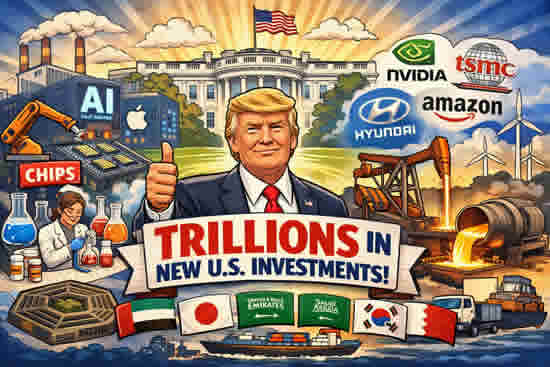
    In a March 10, 2026 White House article, the Trump administration presented a running list of major U.S. investment announcements made during President Trump’s second term, arguing that his economic agenda is driving a surge in domestic manufacturing, technology, energy, and pharmaceutical expansion. The list includes massive commitments from companies such as Apple, Meta, NVIDIA, Amazon, TSMC, Google, Hyundai, Eli Lilly, and many others, with projects tied to artificial intelligence infrastructure, semiconductor production, data centers, drug manufacturing, steel, energy, and logistics. The article also cites large investment pledges from foreign governments including the UAE, Qatar, Japan, Saudi Arabia, South Korea, and Bahrain, framing the overall wave of commitments as evidence of renewed confidence in the U.S. economy and a broader push to bring production, jobs, and strategic industries back to America.

    TRUMP EFFECT: A Running List of New U.S. Investment in President Trump’s Second Term

    Since President Donald J. Trump took office, his unwavering commitment to revitalizing American industry has spurred trillions of dollars of investments in U.S. manufacturing, production, and innovation — and the list only continues to grow.

    Here is a non-comprehensive running list of new U.S.-based investments in President Trump’s second term:

    • Apple announced a $600 billion investment in U.S. manufacturing and workforce training as it brings additional components of its supply chain and advanced manufacturing back to the U.S. — along with an American manufacturing program to incentivize its suppliers to make their products in the U.S.
    • Meta announced a $600 billion investment by 2028 to support AI technology, infrastructure, and workforce expansion in the U.S.
    • Project Stargate, led by Japan-based Softbank and U.S.-based OpenAI and Oracle, announced a $500 billion private investment in U.S.-based artificial intelligence infrastructure.
    • NVIDIA, a global chipmaking giant, announced it will invest $500 billion in U.S.-based AI infrastructure over the next four years amid its pledge to manufacture AI supercomputers entirely in the U.S. for the first time.
    • Amazon announced it invested $340 billion in the U.S. last year and will invest an additional $20 billion to expand its cloud computing infrastructure in Pennsylvania, creating at least 1,250 new high-skilled jobs, $10 billion to build new data centers in North Carolina, and another $4 billion in small towns across America, creating more than 100,000 new jobs and driving opportunities across the country.
    • AT&T announced a $250 billion investment to build our wireless network and data infrastructure across the country.
    • Micron Technology, the sole U.S.-based manufacturer of advanced memory chips, announced a $200 billion investment in its U.S.-based manufacturing and production of advanced memory chips — including construction of a second chip fabrication facility in Boise, Idaho, and modernizing its Manassas, Virginia, facility.
    • IBM announced a $150 billion investment over the next five years in its U.S.-based growth and manufacturing operations.
    • Taiwan Semiconductor Manufacturing Company (TSMC) announced a $100 billion investment in U.S.-based chips manufacturing.
    • Johnson & Johnson announced a $55 billion investment over the next four years in manufacturing, research and development, and technology — including a $2 billion dedicated manufacturing facility at the FUJIFILM site in Holly Springs, North Carolina.
    • AstraZeneca announced a $50 billion investment for medicines manufacturing and research in the U.S.
    • Anthropic announced a $50 billion investment in American AI infrastructure, including new data centers in Texas and New York.
    • Roche, a Swiss drug and diagnostics company, announced a $50 billion investment in U.S.-based manufacturing and research and development, which is expected to create more than 1,000 full-time jobs and more than 12,000 jobs including construction.
    • Bristol Myers Squibb announced a $40 billion investment over the next five years in its research, development, technology, and U.S.-based manufacturing operations.
    • GSK announced a $30 billion investment in U.S.-based research and development and manufacturing.
    • Eli Lilly and Company announced a $27 billion investment to more than double its domestic manufacturing capacity.
    • Hyundai announced a $26 billion U.S.-based investment — including $5.8 billion for a new steel plant in Louisiana, which will create nearly 1,500 jobs.
    • Vantage Data Centers announced a $25 billion investment to build a mega-scale 1.4GW data center campus in Shackelford County, Texas — which will employ more than 5,000 people across construction and ongoing operations.
    • United Arab Emirates-based ADQ and U.S.-based Energy Capital Partners announced a $25 billion investment in U.S. data centers and energy infrastructure.
    • Google announced a $25 billion investment in data center and AI infrastructure.
    • Blackstone announced a $25 billion investment in digital and energy infrastructure across Pennsylvania.
    • Novartis, a Swiss drugmaker, announced a $23 billion investment to build or expand ten manufacturing facilities across the U.S., which will create 4,000 new jobs.
    • John Deere announced plans to invest $20 billion over the next decade in American expansion, production, and manufacturing — including onshoring manufacturing of its excavator.
    • United Arab Emirates-based DAMAC Properties announced a $20 billion investment in new U.S.-based data centers.
    • France-based CMA CGM, a global shipping giant, announced a $20 billion investment in U.S. shipping and logistics, creating 10,000 new jobs.
    • Sanofi announced it will invest at least $20 billion over the next five years in manufacturing and research and development.
    • Venture Global LNG announced an $18 billion investment at its liquefied natural gas facility in Louisiana.
    • Woodside Energy Group announced a $17.5 billion investment for a new liquefied natural gas facility in Louisiana.
    • GlobalFoundaries announced a $16 billion investment to boost its U.S.-based chip production, including expanding existing plants in New York and Vermont.
    • FirstEnergy Corp. announced a $15 billion investment in infrastructure enhancements.
    • Nippon Steel announced it will invest $14 billion in U.S. Steel’s operations, including a $4 billion new steel mill.
    • Stellantis announced a $13 billion investment in the U.S. — the largest single investment in the company’s history — to expand its U.S.-based production by over 50%.
    • Gilead Sciences announced an $11 billion boost to its planned U.S.-based manufacturing investment.
    • AbbVie announced a $10 billion investment over the next ten years to support volume growth and add four new manufacturing plants to its network — including a $195 million investment to expand its U.S.-based drug production capacity.
    • JPMorganChase announced a $10 billion investment to help U.S.-based companies enhance growth and accelerate strategic manufacturing.
    • Merck & Co. announced it will invest a total of $9 billion in the U.S. over the next several years after opening a new $1 billion North Carolina manufacturing facility — including in a new state-of-the-art biologics manufacturing plant in Delaware, which will create at least 500 new jobs.
    • PPL announced a $6.8 billion investment to expand grid capacity and modernize transmission.
    • CoreWeave, Inc.announced a $6 billion investment in data center expansion.
    • Westinghouse announced a $6 billion investment to build ten large nuclear reactors in the U.S.
    • Clarios announced a $6 billion plan to expand its domestic manufacturing operations.
    • Belgium-based drugmaker UCB announced a $5 billion investment in a new U.S.-based factory.
    • Ford announced it will invest $5 billion across its Kentucky and Michigan manufacturing plants to deliver a new midsize truck and advanced batteries.
    • Pratt Industries announced a $5 billion investment to create 5,000 new manufacturing jobs in Ohio, Michigan, Pennsylvania, and Arizona.
    • South Korea-based Hanwha Group announced a $5 billion infrastructure investment at the Hanwha Philly Shipyard to boost local shipbuilding.
    • GlobalWafers, a Taiwanese silicon wafer manufacturer, announced a $4 billion investment in its U.S.-based production.
    • General Motors announced it will invest $4 billion in U.S.-based manufacturing as it shifts more vehicle production from Mexico to the U.S., including in Michigan, Kansas, and Tennessee — including an $888 million investment at its propulsion plant in Tonawanda, New York. The company also announced it will move production of its Buick Envision SUV from China to the U.S.
    • Mitsubishi announced a $3.9 billion investment in energy.
    • Shintech announced it will invest $3.4 billion to expand production capacity at its existing Louisiana polyvinyl chloride facility.
    • Regeneron Pharmaceuticals, a leader in biotechnology, announced a $3 billion agreement with Fujifilm Diosynth Biotechnologies to produce drugs at its North Carolina manufacturing facility.
    • Kraft Heinz announced a $3 billion investment to upgrade its U.S. factories — its largest investment in its plants in decades.
    • GE Appliances announced a $3 billion investment in its U.S.-based manufacturing, onshoring 1,000 jobs and expanding its plants across five states.
    • NorthMark Strategies, a multi-strategy investment firm, announced a $2.8 billion investment to build a supercomputing facility in South Carolina.
    • Thermo Fisher Scientific announced it will invest an additional $2 billion over the next four years to enhance and expand its U.S. manufacturing operations and strengthen its innovation efforts.
    • Amkor Technology announced a $2 billion investment in a new advanced semiconductor packaging and test facility in Arizona — adding 2,000 new jobs.
    • Biogen announced a $2 billion investment in North Carolina-based manufacturing.
    • Mars, Inc.announced a $2 billion investment in its U.S.-based manufacturing operations.
    • GE Aerospace announced a $1 billion investment in manufacturing last year, creating 5,000 new jobs — then announced another $1 billion investment this year, benefiting sites across 30 communities in 17 states and creating an additional 5,000 new jobs.
    • Kimberly-Clark announced a $2 billion investment to expand its U.S. manufacturing operations, including a new advanced manufacturing facility in Warren, Ohio, an expansion of its Beech Island, South Carolina, facility, and other upgrades to its supply chain network.
    • Chobani, a Greek yogurt giant, announced $1.7 billion to expand its U.S. operations, including $1.2 billion to build its third U.S. dairy processing plant in New York, which is expected to create more than 1,000 new full-time jobs, and $500 million to expand its Idaho manufacturing plant.
    • Oklo announced a $1.68 billion investment to build a fuel recycling facility in Tennessee.
    • Corning announced it is expanding its Michigan manufacturing facility investment to $1.5 billion, adding 400 new high-paying advanced manufacturing jobs for a total of 1,500 new jobs.
    • Smithfield Foods, Inc. announced a $1.3 billion investment to build a new fresh pork processing facility in Sioux Falls, South Dakota.
    • MP Materials Corp. announced a $1.25 billion investment to build a new rare earth magnet manufacturing facility in Texas.
    • First Solar announced the inauguration of its $1.1 billion high-tech manufacturing facility in Louisiana, which projected to directly employ over 800 people.
    • Carrier announced an additional $1 billion investment in its U.S. manufacturing, innovation, and workforce expansion, which is expected to create 4,000 new jobs.
    • Cencora announced a $1 billion investment to strengthen its U.S. distribution network.
    • Siemens Energy announced a $1 billion investment to scale up U.S.-based production of grid and gas turbine equipment and expand its apprenticeship and training programs.
    • Hikma Pharmaceuticals announced a $1 billion investment to expand its U.S.-based manufacturing and research capabilities.
    • Vaxcyte announced a $1 billion American manufacturing investment.
    • Anduril Industries announced a $1 billion investment for a new autonomous weapons system facility in Ohio.
    • Live Nation Entertainment announced a $1 billion investment to build 18 new live music venues across the U.S.
    • Hitachi announced a $1 billion investment in American energy infrastructure, including a new $457 billion power transformer facility in Virginia.
    • Williams International announced a $1 billion investment for a new high-volume aviation gas turbine engine manufacturing facility in Okaloosa County, Florida.
    • Amgen announced a $900 million investment in its Ohio-based manufacturing operation.
    • Merck Animal Health announced an $895 million investment to expand their manufacturing operations in Kansas.
    • U.S. Forged Rings announced an $875 million investment in a new North Carolina production facility.
    • ElementUSA announced an $850 million investment to build a rare earth and critical minerals refining facility in Louisiana.
    • Schneider Electric announced it will invest $700 million over the next four years in U.S. energy infrastructure.
    • LS Cable & System announced a $689 investment to expand its presence and strengthen U.S. energy infrastructure.
    • GE Vernova announced it will invest nearly $600 million in U.S. manufacturing over the next two years, which will create more than 1,500 new jobs.
    • Abbott Laboratories announced a $500 million investment in its Illinois and Texas facilities.
    • AIP Management, a European infrastructure investor, announced a $500 million investment to solar developer Silicon Ranch.
    • Jabil announced a $500 million investment in manufacturing and AI data center infrastructure across the southeastern U.S.
    • Avio announced a $500 million investment in a new Virginia-based manufacturing facility.
    • JCB announced a $500 million investment to double the size of its Texas manufacturing facility.
    • Swire Coca-Cola, USA announced a $475 investment in a new Colorado-based manufacturing facility.
    • Wistron Corp, a Taiwanese electronics and AI server manufacturer, announced a $455 million investment to establish its new U.S.-based subsidiary.
    • London-based Diageo announced a $415 million investment in a new Alabama manufacturing facility.
    • Silver Lake announced a $400 million investment in a digital infrastructure platform.
    • Lego announced a $366 million investment to build a new distribution center in Prince George County, Virginia.
    • The Bel Group announced a $350 million investment to expand its U.S.-based production, including at its South Dakota, Idaho, and Wisconsin facilities — which will create 250 new jobs.
    • Dublin-based Eaton Corporation announced a $340 million investment in a new South Carolina-based manufacturing facility for its three-phase transformers.
    • Anheuser-Busch announced a $300 million investment in its manufacturing facilities across the country.
    • Whirlpool Corporation announced a $300 million investment in its U.S. laundry manufacturing facilities.
    • Scout Motors announced a $300 million investment to build a new Supplier Park in South Carolina.
    • Germany-based Siemens announced a $285 million investment in U.S. manufacturing and AI data centers, which will create more than 900 new skilled manufacturing jobs.
    • Samsung Biologics announced a $280 million investment to build a new Maryland production facility.
    • Clasen Quality Chocolate announced a $230 million investment to build a new production facility in Virginia, which will create 250 new jobs.
    • Hadrian, a defense manufacturing startup, announced a $200 million investment to build a large-scale manufacturing and software hub in Mesa, Arizona.
    • Pratt & Whitney announced a $200 million investment to expand its Georgia-based operations.
    • Fiserv, Inc., a financial technology provider, announced a $175 million investment to open a new strategic fintech hub in Kansas, which is expected to create 2,000 new high-paying jobs.
    • Paris Baguette announced a $160 million investment to construct a manufacturing plant in Texas.
    • Philips announced a $150 million investment in U.S. manufacturing and research facilities.
    • Siemens Healthineers announced a $150 million investment to expand production, including relocating manufacturing operations for its Varian company from Mexico to California. 
    • JBS USA announced a $135 million investment for a new sausage production facility in Perry, Iowa.
    • TS Conductor announced a $134 million investment to build an advanced conductor manufacturing facility in South Carolina, which will create nearly 500 new jobs.
    • Switzerland-based ABB announced a $120 million investment to expand production of its low-voltage electrification products in Tennessee and Mississippi.
    • Saica Group, a Spain-based corrugated packaging maker, announced plans to build a $110 million new manufacturing facility in Anderson, Indiana.
    • ALUKO Group announced an $107 million investment in a new Tennessee aluminum manufacturing facility.
    • Hotpack, a Dubai-based maker of food packaging materials and related products, announced a $100 million investment to establish its first U.S. manufacturing facility in Edison, New Jersey.
    • Charms, LLC, a subsidiary of candymaker Tootsie Roll Industries, announced a $97.7 million investment to expand its production plant and distribution center in Tennessee.
    • Toyota Motor announced plans to invest $10 billion more than previously expected in the U.S. over the next decade, including a $912 million investment in manufacturing plants across five southern states and an $88 million investment to boost hybrid vehicle production at its West Virginia factory.
    • Taiwan-based iPhone assembler Pegatron Corp. announced an $85 million investment to establish a new U.S. subsidiary and production facility.
    • China-based Kingsun announced an $80 billion investment to establish its first U.S. manufacturing facility in North Carolina.
    • Rolls-Royce announced a $75 million investment to expand its South Carolina manufacturing facility.
    • Arm Inc. announced a $71 million investment to expand its Texas campus and build a new semiconductor lab.
    • Hanwha Ocean announced a $70 million investment to expand its Philadelphia shipyard.
    • Hydrite Chemical Co. announced a $63 million investment to expand its manufacturing and distribution capabilities.
    • Germany-based Butting Group announced a $61 million investment to build its first U.S.-based stainless steel pipe manufacturing facility in Alabama.
    • Century Aluminum announced it will invest $50 million to revive its South Carolina manufacturing plant for the first time in a decade, bringing its production back to 2015 peak levels.
    • Canada-based Silver Hills Bakery announced a $48.5 million investment to revive the former Kellogg’s facility in Tennessee.
    • AeroVironment, a defense contractor, announced a $42.3 million investment to build a new manufacturing facility in Utah.
    • Paris-based Saint-Gobain announced a new $40 million NorPro manufacturing facility in Wheatfield, New York.
    • DMG MORI announced a $40.5 million investment to expand its Illinois manufacturing operation.
    • Hoffman & Hoffman announced a $40 million investment to expand its North Carolina manufacturing campus.
    • Georg Utz Inc. announced a $40 million investment to construct a new manufacturing facility in South Carolina.
    • Echodyne announced a $40 million investment in a new manufacturing facility.
    • India-based Syngene International announced a $36.5 million acquisition of a Baltimore biologics manufacturing facility.
    • Asahi Group Holdings, one of the largest Japanese beverage makers, announced a $35 million investment to boost production at its Wisconsin plant.
    • Germany-based KettenWulf announced a $34 million investment in to expand its U.S.-based manufacturing operation.
    • The GE Aerospace Foundation announced a $30 million workforce skills training program to prepare the next generation of its U.S.-based workforce.
    • Valbruna Slater Stainless announced a $28 million investment in its stainless steel and nickel alloys bars manufacturing plant in Fort Wayne, Indiana.
    • Nortian Foodtech announced a $22.2 million investment in a Missouri manufacturing facility.
    • J.M. Smucker Co. announced a $20.5 million investment to expand its manufacturing plant in Topeka, Kansas.
    • Cyclic Materials, a Canadian advanced recycling company for rare earth elements, announced a $20 million investment in its first U.S.-based commercial facility, located in Mesa, Arizona.
    • Guardian Bikes announced a $19 million investment to build the first U.S.-based large-scale bicycle frame manufacturing operation in Indiana.
    • Preciball USA announced a $17.6 million investment for a new production facility in Georgia.
    • Amsterdam-based AMG Critical Minerals announced a $15 million investment to build a chrome manufacturing facility in Pennsylvania.
    • Midwest Equipment Manufacturing, Inc. announced a $15 million investment to expand its Kentucky factory.
    • Il Pastaio announced a $12.5 million investment to open its first U.S.-based pasta manufacturing facility in Pennsylvania.
    • Bad Boy Mowers Co. announced a $10.5 million investment to build a new tractor facility in Alabama.
    • NOVONIX Limited, an Australia-based battery technology company, announced a $4.6 million investment to build a synthetic graphite manufacturing facility in Tennessee.
    • LGM Pharma announced a $6 million investment to expand its manufacturing facility in Rosenberg, Texas.

    That doesn’t even include the U.S. investments pledged by foreign countries:

    • United Arab Emirates committed to investing $1.4 trillion in the U.S. over the next decade.
    • Qatar committed to generating $1.2 trillion in an economic exchange between the two countries.
    • Japan announced a $1 trillion investment in the U.S.
    • Saudi Arabia committed investing $600 billion in the U.S. over the next four years.
    • South Korea committed to a $450 billion investment in U.S. energy products.
    • Bahrain announced $17 billion in U.S. investment.
    • Taiwan announced a pledge to boost its U.S.-based investment.

    Last updated on March 10, 2026

    The White House

    March 10, 2026

    Sources: whitehouse.gov , Midtown Tribune news

    Midtown Tribune Independent USA news from New York

  • Trump Declares Full-Scale Crackdown on Cartels, Vows to Mobilize U.S. and Allies Across the Hemisphere

    Trump Declares Full-Scale Crackdown on Cartels, Vows to Mobilize U.S. and Allies Across the Hemisphere

    COMMITMENT TO COUNTERING CARTEL CRIMINAL ACTIVITY Proclamations March 7, 2026 Donald Trump

    President Donald Trump’s March 7, 2026 proclamation lays out an aggressive new anti-cartel doctrine, calling for the destruction of criminal cartels and foreign terrorist organizations in the Western Hemisphere “to the fullest extent possible consistent with applicable law.” The proclamation says the United States will work with allies to strip these groups of territory, money, weapons access, and outside influence, while training and mobilizing partner-nation militaries to build a stronger regional force against cartel violence. It also highlights the newly formed Americas Counter Cartel Coalition, involving representatives from 17 countries, as a sign that Washington is pushing beyond law enforcement toward a broader hard-power strategy against organized crime.

    COMMITMENT TO COUNTERING CARTEL CRIMINAL ACTIVITY

    BY THE PRESIDENT OF THE UNITED STATES OF AMERICA

    The United States, under my leadership, has demonstrated a sustained commitment towards achieving the dismantlement of cartels and foreign terrorists operating in the Western Hemisphere.  My Administration has designated a number of cartels and transnational gangs as foreign terrorist organizations and has since dedicated unprecedented resources towards their destruction.  These international entities control territories and commerce, extort political and judicial systems, wield arms and field military capabilities, and use assassinations and terrorism to achieve their ends.  In furtherance of our efforts, the Secretary of War established the Americas Counter Cartel Coalition, a pledge from military leaders and representatives from 17 countries demonstrating that the region is ready to operationalize hard power to defeat these threats to our security and civilization.  We will address these grave dangers by use of any necessary resources and legally available authorities, together with our partner nations.

    NOW, THEREFORE, I, DONALD J. TRUMP, President of the United States of America, by virtue of the authority vested in me by the Constitution and the laws of the United States, do hereby proclaim as follows: 

    (1)  Criminal cartels and foreign terrorist organizations in the Western Hemisphere should be demolished to the fullest extent possible consistent with applicable law.

    (2)  The United States and its allies should coordinate to deprive these organizations of any control of territory and access to financing or resources necessary to conduct their campaigns of violence.

    (3)  The United States will train and mobilize partner nation militaries to achieve the most effective fighting force necessary to dismantle cartels and their ability to export violence and pursue influence through organized intimidation.

    (4)  The United States and its allies should keep external threats at bay, including malign foreign influences from outside the Western Hemisphere.

    IN WITNESS WHEREOF, I have hereunto set my hand this seventh day of March, in the year of our Lord two thousand twenty-six, and of the Independence of the United States of America the two hundred and fiftieth.

    DONALD J. TRUMP

    Proclamations

    March 7, 2026

    It’s a pretty wild time, but it’s going very well. Sit down, please.

    Tremendous progress has been made, as you’re probably seeing just by watching. We’re doing something very significant. I built the military, rebuilt it, and made it really strong during my first administration. Along with a lot of other things we did, we had a great first term, and now we’re using that strength. Unfortunately, we have to. But you’re seeing how great it is. There is no military like it on Earth — not even close.

    And we’re doing very well in Iran. You can see the results. It’s been amazing. We knocked out 42 Navy ships, some of them very large, in three days. That was the end of their Navy. We knocked out their air force. We knocked out their communications — all telecommunications are gone. I don’t know how they communicate now, but I guess they’ll figure something out. It’s not working out too well for them. And they are bad people — just bad people.

    When you look at October 7 and everything beyond October 7, look at all the killing they’ve done over 47 years. This had to be done. They were very close to a nuclear weapon. They would have had one if we hadn’t carried out our B-2 strike, Midnight Hammer. They would have had a nuclear weapon eight months ago. And you know they’re crazy — they would have used it. So we did the world a favor.

    Someone asked me, “On a scale of 0 to 10, how are you doing with the attack?” I said, “About a 15,” with 10 being the best. It’s something that had to be done, and we’re doing it well. I want to thank everybody involved.

    I’ll be leaving right after this for Dover. It’s a very sad situation. I’m going there to greet the families of the heroes coming home from Iran — coming home in a very different way than they thought they would. But they are great heroes in our country, and we’re going to keep it that way. When it comes to war, there is always tragedy. But we’re going to keep it to a minimum, I think, Pete. And what we’re doing is really a service — not just for the Middle East, but for the world. These were sick people, very sick people.

    This morning, I’m honored to welcome distinguished heads of state from across the Western Hemisphere for the first Shield of the Americas Summit. It is something very, very special. Marco has been working on it very hard, and so have a lot of other people, because this region is very important to us. It’s nice to be home. It’s very important. We travel all over the world — 9,000 miles away, 12,000 miles away. I ask, “How long is this flight, sir?” “Nineteen hours.” I say, “Oh, that’s great.” Now I have flights that last two hours. I like that much better.

    But on this historic day, we come together to announce a brand-new military coalition to eradicate the criminal cartels plaguing our region. We were talking backstage, and you were telling me about the crime and the cartels. We’re knocking the hell out of them where we can, and we’re going to go even heavier. You saw what we were doing with the boats coming in. There aren’t many people coming in by boat anymore. Drugs coming in by sea are down 96%. We’re trying to find out who the other 4% are, because I think they must be the bravest people in the world — or maybe they just don’t watch television.

    We’re calling this military partnership the America’s Counter-Cartel Coalition. That’s what you need. The cartels seem to grow unbelievably rapidly in this region, largely because of drugs. Earlier this week in Miami, Secretary of War Pete Hegseth, who is right here — Pete, you’re fantastic, doing a great job, we’re proud of you — and representatives of 17 different nations formally entered into this new alliance.

    At the heart of our agreement is a commitment to using lethal military force to destroy the sinister cartels and terrorist networks once and for all. We’ll get rid of them. We need your help. You just have to tell us where they are. We have amazing weaponry, as you have probably noticed over the last short period of time.

    I want to thank the members of the coalition, most of whom are friends of mine, and a few of whom I just met. Many of them I endorsed, and they took that endorsement and went on to win big. I haven’t had a bad endorsement yet.

    The President of Argentina is here — Javier Milei, thank you very much for being here. The President of El Salvador, another friend — a man we’ve gotten very close to. When I first saw him, I thought he was too young, but then I saw the job he did and I changed my mind. He has been a great president, and we appreciate the relationship very much.

    Also here are the President of Paraguay, Santiago Peña; the President of Ecuador, Daniel Noboa; the President of Panama, José Raúl Mulino; the President of Honduras; the President of Guyana, Irfaan Ali; the President of Bolivia, Rodrigo Paz; the Prime Minister of Trinidad and Tobago; the President of Costa Rica, Rodrigo Chaves; the president-elect of Costa Rica, Laura Fernández Delgado; the President of the Dominican Republic, Luis Abinader; and the president-elect of Chile, José Kast. Congratulations to all of you.

    I want to thank Secretary of State Marco Rubio for his leadership in organizing this really important summit. He’s fantastic — a fantastic Secretary of State. Thus far, we’ve had the most incredible year of any president. I ended eight wars. We’re not going into all of that today, but what we’ve done is incredible, and we’re going to be doing some incredible things together.

    All of the nations in this room share the same priorities: security, prosperity, free commerce, and the rule of law. That’s why together we are also forming the Shield of the Americas, a new organization to advance these shared priorities in our hemisphere.

    For decades, leaders in this region allowed large swaths of territory in the Western Hemisphere to come under the control of transnational gangs and bloodthirsty cartels that impose their will through murder, torture, extortion, drug trafficking, bribery, and terror. Some of you are in danger — real danger. It’s hard to believe, but we are working with you to do whatever we have to do. If you need help, we will help.

    Many of the cartels have developed sophisticated military operations. In some cases, they are said to be more powerful than the military in the country itself. We cannot have that. These brutal criminal organizations pose an unacceptable threat to national security, and they provide a dangerous gateway for foreign adversaries in our region. They are a cancer, and we do not want that cancer spreading.

    Every leader here today is united in the conviction that we cannot and will not tolerate this lawlessness in our hemisphere any longer. The only way to defeat these enemies is by unleashing the power of our militaries. You have to use your military. You cannot fight these people with ordinary policing alone.

    Just as we formed a coalition to eradicate ISIS in the Middle East, we must now do the same to eradicate the cartels closer to home. As part of our commitment to countering cartel violence, we must recognize that the epicenter of cartel violence is Mexico. The Mexican cartels are fueling and orchestrating much of the bloodshed and chaos in this hemisphere. The United States government will do whatever is necessary to defend our national security and protect the safety of the American people.

    At the same time, all of us must recommit ourselves to ensuring law and order within our own nations. That includes showing zero tolerance for gang activity. The savages who murder and rape with impunity must be permanently removed from society. We must not allow our criminal justice systems to be corrupted so that they protect criminals at the expense of the people.

    By securing our border and cracking down on traffickers and smugglers, we’ve reduced fentanyl pouring across our border by 67% in our first year. With a little more time, we’ll do even better. We’ve also been working closely with many of you to end human smuggling and implement safe third-country agreements.

    We are also looking forward to major change in Venezuela and Cuba. Under our new doctrine — and it is a doctrine — we will not allow hostile foreign influence to gain a foothold in this hemisphere. That includes the Panama Canal. Together, we will protect our sovereignty, our security, and our cherished freedom and independence.

    The nations gathered here today are filled with unlimited potential. But to fulfill that tremendous potential, we must smash the grip of the cartels, criminal gangs, and violent organizations that have terrorized our people for too long. With the courage and resolve of the leaders in this room, we will make our nations safer, stronger, richer, and more successful than ever before.

    So I want to thank you all very much for coming. I look forward to the incredible progress that is soon to come. You’re going to see some incredible things. And now I’d like to ask Secretary Rubio and Secretary Hegseth to say a few words. Then I will sign a proclamation formally launching the America’s Counter-Cartel Coalition.

    Thank you all very much for being here. We appreciate it.

    Sources: WhiteHouse.gov , Midtown Tribune news

    Midtown Tribune Independent USA news from New York

  • President Donald J. Trump Announces Major U.S. Military Operations in Iran to Combat Nuclear Threats and State-Sponsored Terror

    President Donald J. Trump Announces Major U.S. Military Operations in Iran to Combat Nuclear Threats and State-Sponsored Terror

    In this address from White House , President Donald J. Trump announces the commencement of major combat operations in Iran (0:00-0:07), stating the objective is to eliminate threats from the Iranian regime (0:09-0:15). He characterizes the regime as a “vicious group” that has endangered the United States, its troops, and allies for 47 years (0:19-0:31).

    The President outlines a history of Iranian aggression (0:31-1:57), including:

    • The 1979 US embassy takeover and hostage crisis (0:49-0:58).
    • The 1983 Marine barracks bombing in Beirut (1:04-1:10).
    • Involvement in the 2000 USS Cole attack (1:13-1:18).
    • Killing and maiming hundreds of American service members in Iraq (1:21-1:26).
    • Recent attacks against American forces and vessels in the Middle East (1:26-1:40).
    • Funding terrorist militias in Lebanon, Yemen, Syria, and Iraq (1:47-1:57).
    • Iran’s proxy Hamas launching the October 7th attacks on Israel (2:00-2:14).

    He emphasizes that Iran is the “world’s number one state sponsor of terror” (2:22-2:24) and highlights its suppression of its own citizens (2:27-2:31).

    A key policy point is that the Iranian regime can never have a nuclear weapon (2:31-2:46). President Trump states that in “Operation Midnight Hammer” last June, the U.S. obliterated Iran’s nuclear program at Ford Natanz and Isfahan (2:48-2:59). Despite warnings and attempts to make a deal, Iran refused to renounce its nuclear ambitions and attempted to rebuild its program and develop long-range missiles (3:00-3:54).

    The President then details the military’s ongoing operation (4:08-4:20) to:

    • Destroy their missiles and missile industry (4:23-4:28).
    • Annihilate their navy (4:32-4:35).
    • Ensure terrorist proxies no longer destabilize the region or attack U.S. forces (4:37-4:49).
    • Ensure Iran does not obtain a nuclear weapon (4:57-5:01).

    He asserts the unparalleled strength of the U.S. military (5:11-5:28) and acknowledges the potential for U.S. casualties (5:32-5:58). The President addresses members of the Islamic Revolutionary Guard and police, urging them to “lay down your weapons and have complete immunity or…face certain death” (6:25-6:50). Finally, he speaks to the people of Iran, proclaiming “the hour of your freedom is at hand” (6:51-6:56), advising them to stay sheltered, and encouraging them to “take over your government” once the operation is finished (7:06-7:08).
    He pledges overwhelming U.S. support for their cause (7:30-7:33).

    Sources: White House video, Midtown Tribune news

    Midtown Tribune Independent USA news from New York