
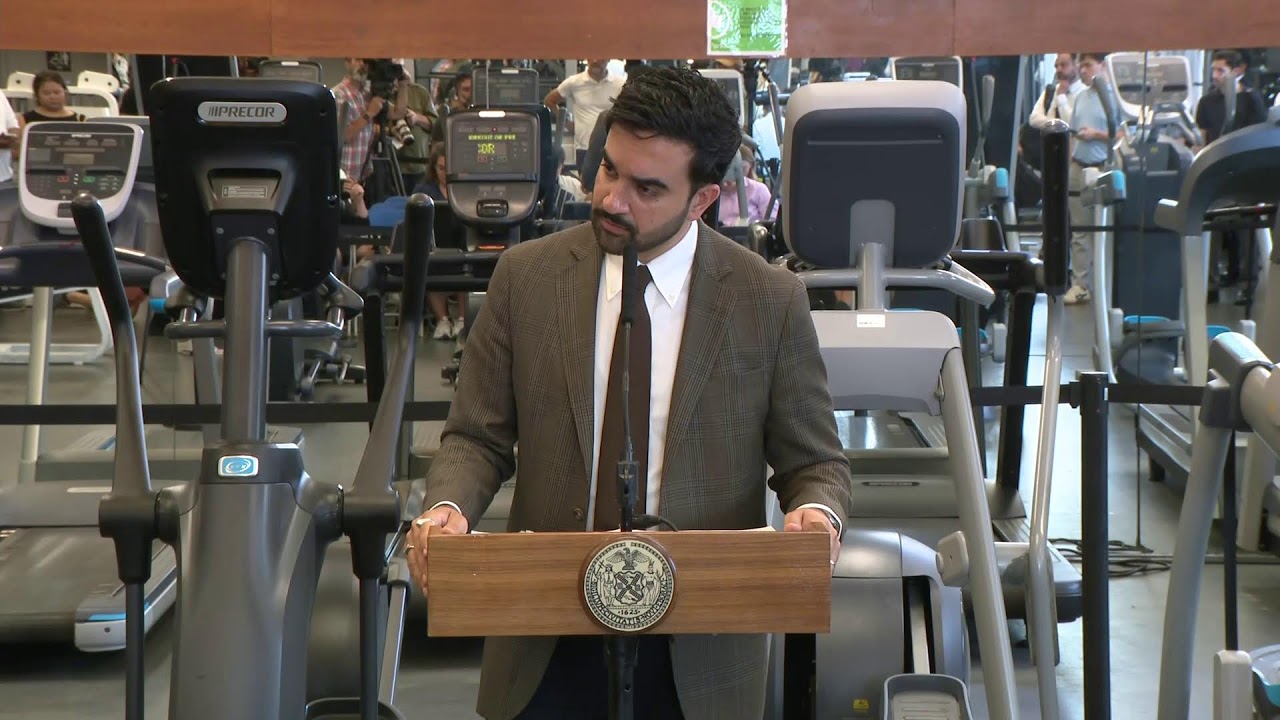
Video: Mayor Mamdani Holds a Press Conference to Make a Consumer Protection Announcement.
New York City’s Crackdown on Junk Fees and Subscription Traps
Jul 10, 2026
New York City officials, led by Mayor Zoranqame Mandani, have introduced two landmark consumer protection rules aimed at increasing financial transparency. The first initiative, known as “click to cancel,” mandates that businesses allow customers to terminate subscriptions as easily as they sign up for them.
A second rule targets “junk fees,” requiring companies to display total, all-in pricing upfront to eliminate deceptive hidden charges. Officials estimate these measures will save residents over $162 million annually by curbing predatory business models used by major corporations. During the press conference, the Mayor also addressed unrelated city issues, including Legionnaire’s disease monitoring and the allocation of police resources for high-profile events. Together, these reforms represent a localized effort to protect working-class New Yorkers from systemic financial exploitation.
Core Consumer Protection Announcements
The administration announced two specific rules enacted under the authority of the city’s consumer protection law:
- “Click to Cancel” Rule: This rule mandates that if a company allows a customer to sign up for a service with one click, they must also allow them to cancel with one click. This is intended to stop “subscription traps” where cancellation pages are buried or require complex maneuvers.
- “Junk Fees” Rule: This rule requires fully transparent “all-in” pricing, meaning businesses must advertise the total cost of a good or service upfront. This aims to eliminate hidden surcharges, such as those often found when booking hotels, buying concert tickets, or checking out at grocery stores.
Economic Impact and Motivation
Officials emphasized that these deceptive practices cost New Yorkers an estimated $162.5 million annually.
- The average family of four is estimated to lose over $3,200 per year to hidden costs.
- Mayor Mandani stated that these rules are designed to protect working people who are already struggling with the cost of living and to create a level playing field for businesses that operate with integrity.
- Violations of these new rules will result in penalties of $525 per violation.
Examples of Deceptive Practices : During the press conference, officials detailed various deceptive practices used by companies to exploit consumers, categorized primarily as “subscription traps” and “junk fees.”
Subscription Traps
These practices involve making it incredibly easy to sign up for a service but intentionally difficult to leave. Examples include:
Bait-and-Switch Subscriptions: Turning what a customer believes is a one-time purchase into a recurring monthly charge without clear consent.
“Doom Loops”: Forcing customers to navigate a maze of confusing web pages or sit for hours on the phone just to cancel a service.
Physical Barriers: Requiring customers to physically go to a location or even get on a plane to cancel a subscription.
Hidden Initiatives: Amazon reportedly used a business initiative called “Project Iliad”—named after the epic story of the Trojan War—specifically designed to make the cancellation process more difficult.
Financial Dependency: Adobe executives admitted that their early termination fees were like “heroine” for the company, creating a revenue stream they found difficult to give up.
Several speakers provided examples of why these rules are necessary:
- Lena Khan (FTC): Cited investigations into Amazon, which allegedly used a business initiative called “Project Iliad” to make cancellation difficult, and Adobe, which viewed early termination fees as a revenue source they “couldn’t quit”. She also mentioned Invitation Homes for using junk fees to deceive renters.
- Sam Lavine (DCWP): Mentioned a recent enforcement action against Extra Space for undisclosed late fees and noted that automakers are increasingly trying to sell features via subscription.
- Industries of Concern: Gym memberships, airlines, credit card companies, and streaming services were highlighted as sectors where these practices are prevalent.
Implementation and Enforcement
- Timeline: The rules are set to go into effect on October 1st, allowing businesses time to comply.
- Enforcement Strategy: Enforcement will be driven by consumer complaints made via 311 or the DCWP online portal. The city will first attempt to mediate complaints to recover money for consumers, but it will pursue court action and permanent injunctions against companies showing a pattern of abuse.
Other Topics Discussed
During the Q&A session, the Mayor addressed several unrelated city issues:
- Legionnaires’ Disease: He provided an update on a cluster on the Upper East Side (46 cases, zero deaths), noting that cooling towers were being tested and cleaned but that tap water and air conditioning remain safe to use.
- SNAP Benefits: He addressed the issue of SNAP benefits being stolen via skimming and committed to following up on potential compensation for victims.
- Taylor Swift Wedding: He confirmed that Taylor Swift paid over $160,000 in permit fees for her event at Madison Square Garden.
- International Affairs: He clarified that a proposed meeting between a city commissioner and Iran’s ambassador was an error and would not take place
Mayor Mamdani Holds a Press Conference to Make a Consumer Protection Announcement with DCWP Commissioner Samuel A. A. Levine at 392 Asser Levy Place New York, NY
Official Sources
- Mayor’s Office – Mayor Mamdani Announces Landmark “Click-to-Cancel” Consumer Protection Rule and Proposed Junk Fee Rule
- NYC Department of Consumer and Worker Protection (DCWP) – First-in-the-Nation Municipal “Click-to-Cancel” Rule
- NYC Rules – Final Click-to-Cancel Rule
- DCWP Public Hearings – Proposed Rule Prohibiting Hidden “Junk Fees”
- Mayor Mamdani Signs Executive Orders to Crack Down on Junk Fees and Subscription Traps (January 5, 2026)
- Full Press Conference – Mayor Mamdani Holds a Consumer Protection Announcement (July 10, 2026)
- Federal Trade Commission – FTC Action Against Adobe Over Subscription Cancellation Practices
- Federal Trade Commission – FTC v. Amazon (Prime Subscription Cancellation Case)
Editor’s Note: New York City’s Click-to-Cancel rule has been adopted and is scheduled to take effect on October 1, 2026. The broader Junk Fees rule requiring all-in pricing remains a proposed regulation and is currently undergoing the City’s public rulemaking process.
Ask Midtown Tribune about this story
Answers are grounded first in this article. Search all Midtown Tribune reporting from the main AI Search page.
AI-generated summary. Verify important details in the linked original articles.