
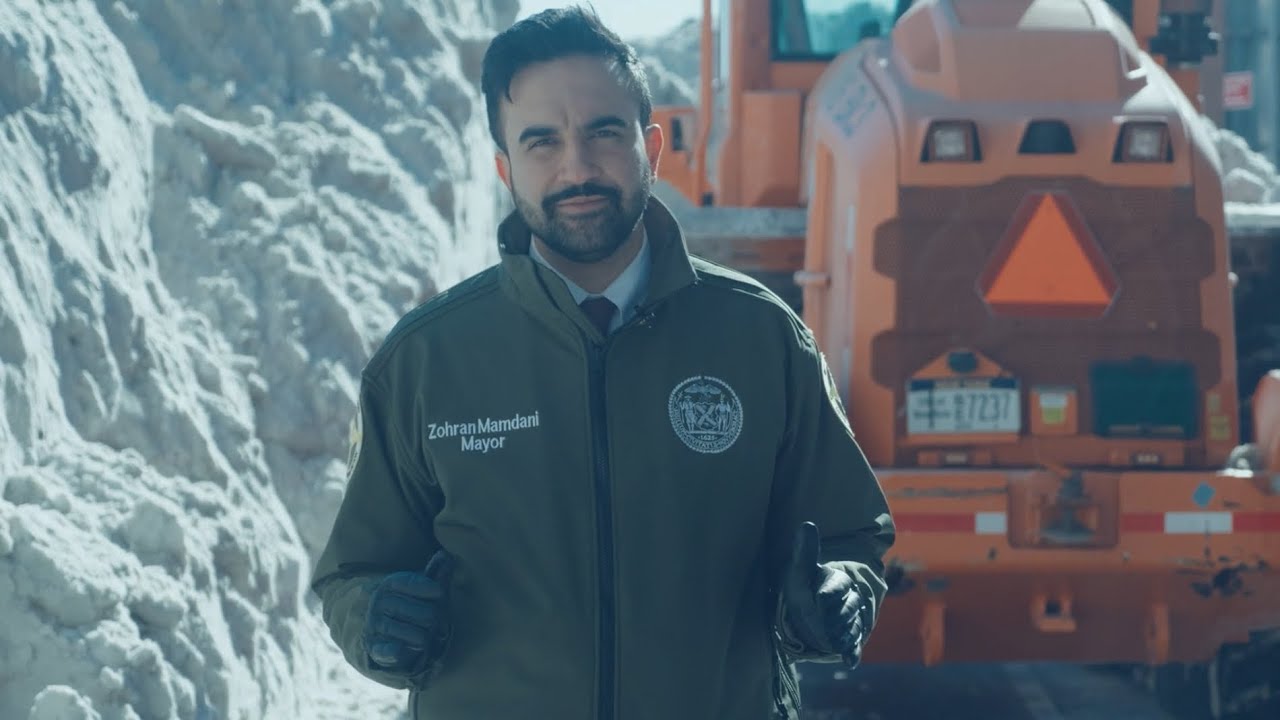
Source: Official video published by the New York City Mayor’s Office.
NYC Melts 23 Million Pounds of Snow as Relentless Cold Grips the Five Boroughs
Thousands of sanitation workers, contractors and emergency shovelers were deployed as New York City struggled to clear frozen snowbanks, bus stops and crosswalks following a major January winter storm.
NEW YORK — New York City melted approximately 23 million pounds of snow and spread 116 million pounds of salt as crews worked around the clock during a prolonged stretch of freezing weather, according to an update from Mayor Zohran Mamdani’s administration.
The cleanup followed the major winter storm of January 25–26, 2026, which produced periods of heavy snowfall and near-whiteout conditions. The National Weather Service reported combined snow and sleet accumulations of approximately 8 to 13 inches near the coast and 12 to 17 inches farther inland.
Speaking from a Department of Sanitation snow-melting site, Mamdani said persistent freezing temperatures had prevented the usual melting that helps New York recover after a snowstorm.
The mayor described the conditions as potentially part of the harshest winter stretch the city had experienced. In a separate interview, however, he carefully stated that the cold snap “might end up becoming” the coldest period in New York City’s recorded history. At the time of the statement, that description remained a possibility rather than a confirmed climate record.
Eight Snow-Melting Sites Activated Across NYC
The city activated eight snow-melting locations, with at least one operating in each borough.
These sites allowed sanitation crews to remove snow from crowded streets rather than simply pushing it into larger roadside piles. By the city’s January 30 update, approximately 23 million pounds of collected snow had been melted.
The Mamdani administration said roughly 2,500 Department of Sanitation employees were working during each 12-hour shift to clear roads and critical infrastructure.
They were supported by personnel from the Department of Parks and Recreation, Department of Environmental Protection, Department of Transportation and Department of Citywide Administrative Services.
Approximately 100 additional sanitation employees operated specialized equipment designed to break apart and remove snow ridges hardened by the prolonged cold. The city also hired hundreds of emergency snow shovelers and contractors to assist with the cleanup.
More Than 13,000 Crosswalks Cleared
By the updated official count, city crews had cleared:
- More than 13,876 crosswalks;
- Approximately 12,696 bus stops;
- About 4,486 fire hydrants;
- All city bus stops equipped with shelters.
The city also reported using 116 million pounds of salt to keep streets passable and reduce dangerous ice accumulation.
The figures released on January 30 were slightly higher than those presented by the mayor during his recorded appearance the previous morning because cleanup operations continued after the video was recorded.
Code Blue Outreach Expanded
The cold emergency also triggered an expanded response for homeless New Yorkers.
A Code Blue is generally activated when the temperature or wind chill is expected to fall to 32 degrees Fahrenheit or below between 4 p.m. and 8 a.m. During a Code Blue, normal shelter intake procedures are relaxed, outreach operations are expanded and people seeking protection from the cold are not supposed to be turned away.
By January 29, city outreach workers had connected more than 600 homeless New Yorkers with shelters, Safe Havens and other indoor facilities, according to the mayor.
The city subsequently deployed 20 mobile warming units operating overnight and established enhanced warming locations at 11 NYC Health + Hospitals facilities and seven Gotham Health community health centers across the five boroughs.
“No one who needs help will be turned away,” Mamdani said during the snow-response update.
Residents who see someone exposed to dangerous cold conditions were urged to call 311 so that an outreach team could be dispatched.
Property Owners Warned to Clear Sidewalks
City Hall also reminded property owners that they are legally responsible for removing snow and ice from sidewalks adjacent to their buildings.
Cleared snow may be placed along the building line or curb but should not be pushed into the street, where it can obstruct sanitation equipment and create additional hazards.
The administration warned that violations would be issued to owners who failed to clear their sidewalks.
A Test for the New Administration
The storm became one of the first major operational tests for the Mamdani administration.
New Yorkers were not simply judging whether major roadways had been plowed. They were also watching conditions at neighborhood bus stops, crosswalks, hydrants, bike lanes and pedestrian corners where frozen piles can remain long after traffic lanes have reopened.
The city’s use of snow-melting equipment, emergency shovelers and employees from agencies outside the Department of Sanitation reflected the difficulty of removing accumulated snow while temperatures remained below freezing.
“Whether you’re walking, riding the bus, taking the train, driving your car or biking around the city, you deserve to get where you’re going,” Mamdani said.
For New Yorkers, that is the standard by which the response will ultimately be measured: not only how many millions of pounds of snow were melted, but how quickly sidewalks, crossings and public transportation became safely accessible again.
Official Sources
- NYC Mayor’s Office: Mayor Mamdani Visits Snow-Melting Location and Updates New Yorkers on Snow-Removal Operations — January 30, 2026
- National Weather Service: January 25–26, 2026 Major Winter Storm
- NYC311: Code Blue, Warming Centers and Warming Vehicles
- New York City Department of Sanitation: Snow and Ice Removal Laws
- New York City Department of Sanitation: Official Snow Response Information
Ask Midtown Tribune about this story
Answers are grounded first in this article. Search all Midtown Tribune reporting from the main AI Search page.
AI-generated summary. Verify important details in the linked original articles.